




Other CT Humanities Programs

Creative Commons Licensing


Now Viewing:
Guilford

The Henry Whitfield House
The Henry Whitfield House (home to the Henry Whitfield State Museum) is only Connecticut’s oldest house and the oldest stone house in New England.
Read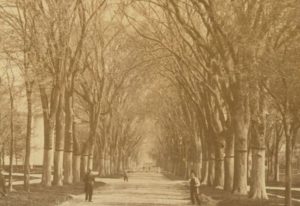
A Beautiful and Goodly Tree: The Rise and Fall of the American Elm
Almost every Connecticut town has an Elm Street, named for the popular trees that grew in abundance until a fungal infestation greatly diminished their numbers.
Read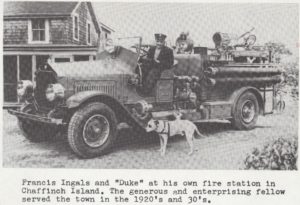
Guilford’s One-Man Fire Department
In the early decades of the 20th century, the town of Guilford had a fire department stationed on Chaffinch Island that consisted of just one man, Francis Ingals.
Read
Gun Wheel of the First Light Battery, Connecticut Volunteers
A wheel damaged in battle now resides at the Connecticut State Capitol to commemorate the Civil War service of the First Light Battery Connecticut Volunteers.
Read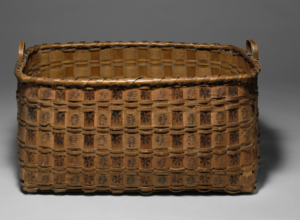
Quinnipiac: The People of the Long Water Land
The Quinnipiac still live in Connecticut and across the country, but the community is not presently one of Connecticut’s recognized tribes, nor is it federally acknowledged.
Read
J. Frederick Kelly: Constructing Connecticut’s Architectural History
J. Frederick Kelly was both a well-known architect, preservationist, and architectural historian, whose works chronicled many of Connecticut’s historical properties.
Read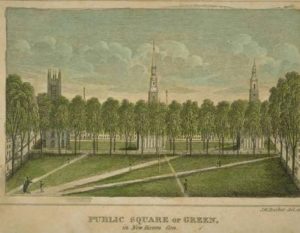
A Separate Place: The New Haven Colony, 1638-1665
In 1638, Puritan leader John Davenport led a group of settlers out of Boston, ultimately founding what became the New Haven Colony.
Read
Improving Sea Transportation: Guilford Goes About it the Light Way
Approximately 3 ½ miles off the coast of Guilford lies the Faulkner’s Island Lighthouse.
Read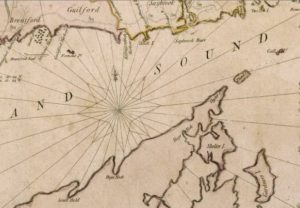
Stealth Attack from Guilford Launched – Today in History: May 23
On May 23, 1777, Colonel Return Jonathan Meigs launched a lightning raid from Sachem Head in Guilford on Sag Harbor.
Read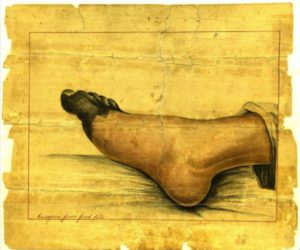
Civil War Soldier Dies of Gangrene – Today in History: July 10
On July 10, 1864, Civil War soldier Curtis Bacon of Simsbury died of gangrene from injuries he suffered in combat nearly two months earlier.
ReadMore Articles